


Showing posts with label skinCare. Show all posts
Showing posts with label skinCare. Show all posts
Thursday, May 26, 2016
Switch to a Water-Based Foundation This Summer
Tuesday, March 15, 2016
8 BEAUTY SECRETS TO LEARN FROM GIGI HADID

We met model-of-the-moment Gigi Hadid in New York to talk all things beauty. Here's what she had to say on being blonde, perfect brows, glowing skin, and the reason she'll never sign up for Tinder.
The Bubblegum-Pink Spot Treatment Kylie Jenner Swears By

Celebrities get pimples too (are you shocked?) and Kylie Jenner is the latest star making us feel better about our Seamless-induced flare-ups.
Thanks to a slew of recent Snapchats, we now know that when a blemish (or three) compromises Jenner's daily #selfies, she's whipping out Mario Badescu's Drying Lotion ($17) for a quick zap.
7 Scary Facts About Your Makeup
 In this episode of "Sick, Sad World" (you're welcome for that Dariareference), you know nothing about your makeup. Welcome to the dark side, my fellow 18-shades-of-lipstick-toting, the-cosmetics-counter-is-your-home-away-from-home beauty lovers. (I'm sorry. I'm so sorry.)

The FDA does monitor cosmetics under the FD&C Act, which basically says as long as they aren't "adulterated" or "misbranded" they're cool to go on the market. (So no poisons, phew.) To put it frankly: In Europe there are 1,373 banned cosmetic chemicals. In the U.S.? Eight.
Wednesday, March 2, 2016
Your Fave Ruby Rose Is Now the Face of Urban Decay

It was only days ago that Urban Decay released a new eye shadow and liner vault in honor of their 20th anniversary in the beauty biz, and already the brand has more news to share: They've just signed Ruby Rose as the new face of the brand.
Sunday, January 31, 2016

THE EVERYDAY HABITS THAT MAKE YOUR BOOBS SAG
1. You wear the wrong size bra or a bra at all.

 Confused? Some studies say that a bra that doesn't provide enough support (read: lots of lift) may cause your boobs to droop over time. So make sure to get the best fit for your body. On the other hand, a 15-year study published in 2013 found that women who never wore a bra actually saw less sagging than women who wore bras. The choice is yours.
2. You don't drink enough water.
It's the world's most magical drink for a reason. Skipping water can make your skin appear rough and shrunken, and not just on your face.
Monday, December 21, 2015
How Kendall Jenner Used a Laser to Get Rid of Her Acne

But before you rush out looking to blast your pimples with a laser, know that there is no miracle acne cure – it’s more about acne control. Acne requires a diligent 24/7 management approach, which includes using personalized products that have been selected by a qualified skin pro, making skin-friendly diet choices, and even receiving weekly skin treatments to safely exfoliate and extract blocked follicles, soothe red bumps, and zap that zit-forming bacteria.
However, if your acne is severe – what we term grade 3 or 4 in the trade – then medical intervention might be required. Savvy dermatologists don’t just write prescriptions, but also recommend a combination of programs that, beyond the at-home product regimen, may be comprised of in-office procedures (think chemical peels, steroid injections, or light therapies), and according to your grade of acne, a prescription for oral or topical acne meds.
Over the past few years, lasers and light therapies have become the new acne treatment darlings. Some people find their breed of bacteria is unresponsive to antibiotics or seek a safer alternative to oral Isotretinoin, which has pretty scary side effects. The science behind lasers — their mechanism and wavelength — while fascinating to me, takes too long to explain, so I’ve simplified the details here.
Tuesday, November 3, 2015
How to Get Silky Smooth Armpits

Underarm hair is the pits. It sneaks up on you when you least expect it—like when you’re doing an overhead press at the gym and lose form at the sight of stubble or when you casually throw on a T-shirt and realize you have to keep your elbows locked at a 90-degree angle at all times. Here’s how to fix your most common underarm woes so you can have the smoothest pits ever.
Pit Problem: Perma-Shadow 
Have you ever checked out your armpit skin right after shaving and noticed that it was still darker than the rest of your body? While there are sometimes hormonal or bacterial reasons for this to happen, the appearance of “perma-shadow” is usually caused by coarse stubble just beneath the surface of the skin being visible, says Patricia Diiorgi, a board-certified electrologist in New Jersey.
Have you ever checked out your armpit skin right after shaving and noticed that it was still darker than the rest of your body? While there are sometimes hormonal or bacterial reasons for this to happen, the appearance of “perma-shadow” is usually caused by coarse stubble just beneath the surface of the skin being visible, says Patricia Diiorgi, a board-certified electrologist in New Jersey.
Monday, November 2, 2015
Best ways to shave public hair
How To Shave Your Pubic Hair

Whether you are male or female, shaving is probably part of your daily ritual – at least for certain areas. But what about that “more discreet” hair growth? Let’s take a look how to shave your pubic hair properly, for both women and men.
Sunday, October 11, 2015
Natural Remedies to Remove Pregnancy Stretch Marks
Natural Remedies to Remove Pregnancy Stretch Marks
 Know the effective home remedies to reduce stretch marks during pregnancy; also, know how to avoid getting stretch marks and make your own home made moisturizers to get rid of stretch marks!!!
Stretch mark is a common problem among women, especially after pregnancy. There are many causes of stretch marks after pregnancy like as hormonal changes, fat loss in the abdomen after delivery, less elastic skin and so on. You see fine lines developing around the areas where fats have accumulated, usually in the stomach, chest, belly bottom and thighs. Now the question is how to get rid of stretch marks after delivery?
Know the effective home remedies to reduce stretch marks during pregnancy; also, know how to avoid getting stretch marks and make your own home made moisturizers to get rid of stretch marks!!!Stretch mark is a common problem among women, especially after pregnancy. There are many causes of stretch marks after pregnancy like as hormonal changes, fat loss in the abdomen after delivery, less elastic skin and so on. You see fine lines developing around the areas where fats have accumulated, usually in the stomach, chest, belly bottom and thighs. Now the question is how to get rid of stretch marks after delivery?
Lupus Day - What is Lupus desease .
What is lupus?
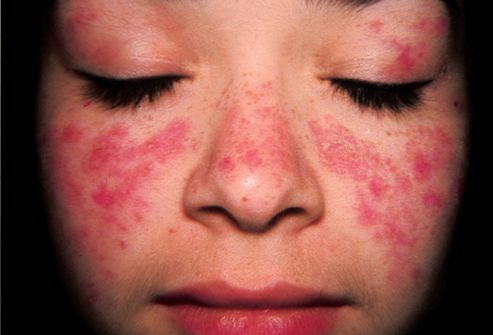
In lupus, something goes wrong with your immune system, which is the part of the body that fights off viruses, bacteria, and germs ("foreign invaders," like the flu). Normally our immune system produces proteins called antibodies that protect the body from these invaders. Autoimmune means your immune system cannot tell the difference between these foreign invaders and your body’s healthy tissues ("auto" means "self") and creates autoantibodies that attack and destroy healthy tissue. These autoantibodies cause inflammation, pain, and damage in various parts of the body.
Lupus is also a disease of flares (the symptoms worsen and you feel ill) and remissions (the symptoms improve and you feel better).
These are some additional facts about lupus that you should know:
Tuesday, September 8, 2015

Tuesday, September 1, 2015
9 ways to keep your skin looks young

When we’re young, our skin stays plump and smooth because it constantly regenerates itself.
But as we age, collagen production slows – and existing collagen can get damaged due to sun exposure and bad skin habits. The results? Wrinkles and sagging skin going south.
Luckily, there’s lots you can do to preserve your collagen and even boost its production...
Up your vitamin C intake
A study published in the American Journal of Nutrition found women over 40 with the highest amount of vitamin C in their diet were less likely to develop wrinkles than those who consumed lower levels.
Sunday, August 30, 2015
STOP EATING THESE 3 FOODS IMMEDIATELY TO STOP ACNE
It really is what’s on the inside that counts.
At some point or another you have probably heard the saying “it’s what’s on the inside that counts.” Who could have guessed this would be some of the most factual advice you would ever receive, but not for the reason you are thinking. What you put inside of your body is very important, and contributes as much to what you will look like as your DNA. Other than controlling your body’s weight, energy levels, and health in general; food plays an important part in skin care.
Foods that are high in vitamin C such as: oranges,cranberries and grapefruit are perfect for clearing up acne in its early stages. For someone suffering from chronic outbreaks foods like liver, pumpkin seeds and sesame seeds which are foods that are all high in zinc can help get rid of acne. Other foods that help get rid of acne include foods that are rich in vitamin E, carotenoids, and selenium.
What you didn’t know about acne.
Although acne is a common problem, many are unclear as to how acne forums in the first place. To put it simply acne is caused by the blocking of pores; this blockage is usually attributed to a buildup of dirt and grim in the ore. In reality, pores become blocked when the sebaceous gland excretes excess sebum into the pore. Luckily, like many other things that occur within the body, your diet can greatly affect the functions of the sebaceous gland. Here are some of the foods to avoided eating in order to remain acne free.
1. Dairy Products
Now you may not be lactose intolerant, but milk and other dairy products can still negatively impact your immune system. Allergic reactions of any degree usually involve some kind of inflammation in the body, acne is no different. To find out if dairy products are the cause of your acne issue, it is best to avoid consuming any dairy products for at least three weeks and see how your skin responds. Alternatively, there are food sensitivity tests that can be done to find out if milk is the problem in a fraction of the time.
2.Eggs
Eggs are common food sensitivity much like dairy; eggs are a consistent cause of inflammation in the pores. In addition to being a cause of acne, egg sensitivity can also cause various reactions in the skin such as eczema and psoriasis.
3. Processed sugars.
Processed sugars– as well as any other food’s that have a high glycemic index– are to be avoided for a variety of health related reasons. Foods that have a high glycemic index will cause a spike in the body’s insulin level, this spike in insulin levels will lead to an increase of various hormones including testosterone. Higher testosterone levels can cause a painful cystic type of acne.
Although it might seem that acne is something that you’re just going to have to learn to live with. By simply cutting these foods out of your diet, while adding in vitamin and mineral rich foods, you can gain a significant amount of control over your acne problem.
Thursday, August 6, 2015


Monday, August 3, 2015
How To get Rid Of Acne
part 03
Method 3 of 3: Treating Acne with Lifestyle Changes
1.Exercise regularly. Exercising does a number of things to help reduce your acne. It releases endorphins which lower stress levels and therefore reduce oil-production, and also makes you sweat which cleans out dead skin cells. Try exercising on a daily basis for a minimum of thirty minutes to help reduce your acne not only on your face, but also on your chest, shoulders, and back.

 2.Don't touch your face. This is incredibly difficult, as people are prone to touching their faces on a regular basis. Be careful about scratching your face, resting your face on your hands, and picking at pimples. Never pop your zits or squeeze at pesky blackheads, as this only introduces more bacteria to your skin and will make your acne worse.
 3.Shower often. Although you may want to keep your water bill down, showering regularly helps to keep oil production low, kill bacteria, and rinse away dead skin cells. Wash your entire body with a mild cleanser and use shampoos that limit oil production in your hair. Be sure to always shower after exercising to remove the dead skin cells your body has sloughed off through sweating.
 4.Eat healthily Foods that are highly processed and contain a lot of oils greatly increase the amount of acne on your body. Getting the proper amount of nutrients from whole grains, fruits, vegetables, and protein help your skin to regenerate faster and limit unnecessary oil production. When at all possible, avoid foods that are processed or contain a lot of sugar (think junk foods).
 5.Get at least eight hours of sleep.Sleeping kills two birds with one stone, as it helps to relax your body as well as detoxify it. If you aren't getting enough sleep, chances are your skin hasn't had the time or ability to renew its skin cells. Regulate your sleep cycle by going to bed at a consistent time every night and sleeping for a minimum of eight hours.
 6.Drink lots of water. Although we've all heard to drink eight glasses of water a day, there isn't a set amount on how much water you should consume. Water helps to detoxify your body and purify your skin, so make sure you drink water often throughout the day.
 7.Relax your body and mind
High stress levels lead to increased sebum production, so do your mind and your skin a favor by giving yourself some time to relax. Try taking a bath, reading a book, meditating, or practicing yoga and watch your skin transform in response.
 8.Wash your fabrics. Any fabric that comes into contact with your skin on a regular basis - clothes, towels, pillowcases, and sheets - should be washed at least once a week to remove oil and bacteria that build up over time. Use a gentle cleanser for sensitive skin to help solve your acne problem.
 9.Use oil-free makeup. If you wear makeup, you may be stuck in a vicious cycle of covering up acne while simultaneously causing it with your cover-up usage. Find acne-fighting oil-free mineral makeup to help prevent worsening your acne while simply trying to hide it. Power foundations are also recommended. When possible, avoid wearing makeup at all though as it clogs your pores over the course of the day.

 11.Avoid toothpaste, lemons, and baking soda. If used without care, some experiences suggest they may cause irritation or chemical burns on your face.
Method 3 of 3: Treating Acne with Lifestyle Changes
1.Exercise regularly. Exercising does a number of things to help reduce your acne. It releases endorphins which lower stress levels and therefore reduce oil-production, and also makes you sweat which cleans out dead skin cells. Try exercising on a daily basis for a minimum of thirty minutes to help reduce your acne not only on your face, but also on your chest, shoulders, and back.
2.Don't touch your face. This is incredibly difficult, as people are prone to touching their faces on a regular basis. Be careful about scratching your face, resting your face on your hands, and picking at pimples. Never pop your zits or squeeze at pesky blackheads, as this only introduces more bacteria to your skin and will make your acne worse.3.Shower often. Although you may want to keep your water bill down, showering regularly helps to keep oil production low, kill bacteria, and rinse away dead skin cells. Wash your entire body with a mild cleanser and use shampoos that limit oil production in your hair. Be sure to always shower after exercising to remove the dead skin cells your body has sloughed off through sweating.4.Eat healthily Foods that are highly processed and contain a lot of oils greatly increase the amount of acne on your body. Getting the proper amount of nutrients from whole grains, fruits, vegetables, and protein help your skin to regenerate faster and limit unnecessary oil production. When at all possible, avoid foods that are processed or contain a lot of sugar (think junk foods). 5.Get at least eight hours of sleep.Sleeping kills two birds with one stone, as it helps to relax your body as well as detoxify it. If you aren't getting enough sleep, chances are your skin hasn't had the time or ability to renew its skin cells. Regulate your sleep cycle by going to bed at a consistent time every night and sleeping for a minimum of eight hours.6.Drink lots of water. Although we've all heard to drink eight glasses of water a day, there isn't a set amount on how much water you should consume. Water helps to detoxify your body and purify your skin, so make sure you drink water often throughout the day.7.Relax your body and mind
High stress levels lead to increased sebum production, so do your mind and your skin a favor by giving yourself some time to relax. Try taking a bath, reading a book, meditating, or practicing yoga and watch your skin transform in response.
8.Wash your fabrics. Any fabric that comes into contact with your skin on a regular basis - clothes, towels, pillowcases, and sheets - should be washed at least once a week to remove oil and bacteria that build up over time. Use a gentle cleanser for sensitive skin to help solve your acne problem. 9.Use oil-free makeup. If you wear makeup, you may be stuck in a vicious cycle of covering up acne while simultaneously causing it with your cover-up usage. Find acne-fighting oil-free mineral makeup to help prevent worsening your acne while simply trying to hide it. Power foundations are also recommended. When possible, avoid wearing makeup at all though as it clogs your pores over the course of the day.
- Regularly clean makeup brushes to prevent bacterial growth.
10.Wear sunscreen everyday and do not tan. Ultraviolet Radiation is the number one cause of premature aging. It also leads to Skin Cancer in high enough doses. Treat the sun like the death ray that it is. Exposing your skin to harmful UVA and UVB rays damages skin and prolongs post inflammatory erythema(PIE)--red acne marks, as the sunlight stimulates pigment-producing cells.
- Not only can the sun prolong PIE appearance, it can lead to premature aging including sun spots, fine lines and wrinkles. UV damage is DNA damage. Sunscreen is an anti-aging must for all ages young and old--preventing future skin cancer. It is the fountain of youth in a bottle. Prevention is better than treatment. There is no such thing as safe tanning but There is sun damage.
- When out in the sun for long periods of time, stick to the shade as much as possible and wear a wide-brimmed hat and light, long-sleeved clothing. Wear sunglasses, especially those that have less melanin in their eyes. Consider carrying a parasol. In Asia, they are a popular fashionable accessory.
 11.Avoid toothpaste, lemons, and baking soda. If used without care, some experiences suggest they may cause irritation or chemical burns on your face.
- Toothpaste, lemons, baking soda, and salt are touted as common convention to treat acne or improve appearance of discoloration but they will damage skin instead. Avoid using any of these ingredients.
12.Avoid apricot scrubs and plastic microbeads as the former will cause microtears and the latter contributes to environmental pollution and bioaccumulation up the food chain.
- Apricot Scrubs are a cult product but the walnut shells are too sharp to exfoliate skin, and will cause microtears--contributing to photoaging.
- Plastic microbeads are in the process of being considered banned in several states as they pollute waterways and are swallowed by fish.

How To Get Rid Of Acne
part02
Method 2 of 3: Treating at a Dermatologist’s or Spa
 2.Get a facial peel.
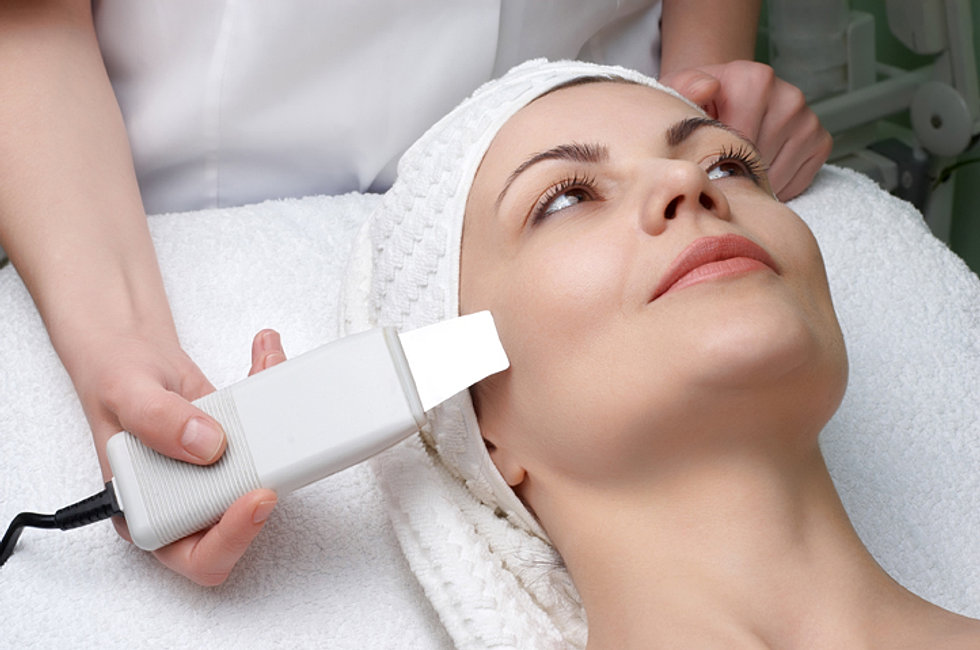
 That’s right - use layers to kill off your acne. Many dermatologists now offer a treatment in which they use lasers to fire strong blasts of light to kill overactive oil-producing glands beneath your skin. This process can be painful, but has been shown to cut down acne 50% on average.
Method 2 of 3: Treating at a Dermatologist’s or Spa
 2.Get a facial peel.
A facial peel is a specialized gel containing acid that dissolves dead skin and bacteria cells. Getting these on a regular basis can greatly reduce acne over time in addition to your regular skincare regimen.
3.Try microdermabrasion.
This is a process by which your skin is “sanded” away to produce new skin growth. Getting microdermabrasion treatments once a week over several months is the most effective route to take, as each treatment only affects the outermost layer of skin.
4.Get a laser treatment.
That’s right - use layers to kill off your acne. Many dermatologists now offer a treatment in which they use lasers to fire strong blasts of light to kill overactive oil-producing glands beneath your skin. This process can be painful, but has been shown to cut down acne 50% on average.
5.Try a light treatment.

- Going on a specialized form of birth control (for women) can help to regulate hormones which may be producing your bad acne. Ask your dermatologist if this seems like a good option for you to take.
- In particularly troublesome cases of acne, a specialized drug known as accutane can be prescribed. This is an incredibly intense retinoid treatment that has shown to almost completely remove all acne in users. However, it has the most serious side-effects of any acne-fighting drug and should be used with extreme caution.

6.Use prescription drugs.
Certain medications can be prescribed by your dermatologist to help with particularly bad cases of acne, but should be used with caution. As with all medications, there may be unwanted side-effects in a small portion of the population.
- Going on a specialized form of birth control (for women) can help to regulate hormones which may be producing your bad acne. Ask your dermatologist if this seems like a good option for you to take.
- In particularly troublesome cases of acne, a specialized drug known as accutane can be prescribed. This is an incredibly intense retinoid treatment that has shown to almost completely remove all acne in users. However, it has the most serious side-effects of any acne-fighting drug and should be used with extreme caution.
How To Get Rid Of Acne
Acne is one of the worst problem we can ever face specially on the teenage period.However, hormones aren't uncontrollable, and there are simple changes you can make to eliminate your breakouts. You can have your glowing, healthy, and pimple-free skin back in no time.
Method 1 of 3: Treating at Home
 2. wash your face using oil basically my skin is already oily so i'd like to never use oil on my face because it makes it worse but if your skin is not you can do it Known as the Oil Cleansing Method(OCM), this is a popular method of cleansing in Asia, and is a growing trend. OCM is an alternative cleansing method that is gentler for skin, and of interest for sensitive skin types.

 5.Use anti acne masks this really helps and make you face getting better although it cleans your face from all the bacterias which cause the acne .
 8.Find products containing azelaic acid. Azelaic acid is an antibacterial that also helps to reduce redness and inflammation and is found naturally in wheat and barley. If your acne tends to leave dark marks on your skin, try a product that uses azelaic acid to clean your pores and reduce acne-produced dark spots.
Method 1 of 3: Treating at Home
- wash your face over 2 times a day with pH balanced cleanser the first step to get your fair skin back is to clean it daily make it as a routine to restore the skin's acid mantle and thus discourage acne vulgaris growth. Buckle down and force yourself to wash your face with a pH balanced cleanser of 5.5 when you wake up in the morning and before going to bed at night. As tired or busy as you may be, taking the extra few minutes to cleanse your skin, this will reduce your acne significantly.

- If you have acne on other parts of your body such as your shoulders, back, and chest, give these areas a scrubbing twice daily as well.
- If you wear makeup, never go to bed without washing it all off. Sleeping with makeup on is a surefire way to increase your pimple-count and make getting rid of your acne even more difficult. Use an oil-free makeup remover prior to washing with your regular cleanser to make sure all traces have been removed.
 2. wash your face using oil basically my skin is already oily so i'd like to never use oil on my face because it makes it worse but if your skin is not you can do it Known as the Oil Cleansing Method(OCM), this is a popular method of cleansing in Asia, and is a growing trend. OCM is an alternative cleansing method that is gentler for skin, and of interest for sensitive skin types.
- Look into oils such as olive oil, egg oil, grapeseed oil, castor oil, and emu oil.
3. exfoliate your skin Exfoliates are mild scrubbing products that work to slough (to get rid of) off dead skin cells that build up and cause acne. Exfoliation can be chemical or physical.
- For a gentler approach, use a chemical exfoliator, an AHA or BHA at a pH between 3 and 4 to slough off skin. A chemical exfoliation un-glues dead skin.
- A BHA product often cited includes salicylic acid, it must be between a pH between 3 and 4 to work. A BHA works to slough (to get rid of) off dead skin cells and encourage new skin growth. As a result, you may experience dry skin and scaliness around your acne, but this will dissipate over time as your skin begins to regenerate faster. Use this in a cleanser or spot treatment daily on the acne-affected areas of your skin.[4]
- Aspirin tablets, which contain salicylic acid, a BHA can be ground up and mixed with water and then put on your zits to reduce redness and swelling.
- Rub a light layer of honey into your skin, and let it sit for 30 minutes. Rinse off with warm water. Honey has a variable pH from 3 to 6, but at a pH between 3 and 4, it contains AHA's that will exfoliate skin.
- For physical exfoliation, consider purchasing a konjac sponge. It is gentle enough for usage upon your face.
- For physical exfoliation, consider using oatmeal as an exfoliate. Mix oatmeal with honey and rub it onto your face for 2-3 minutes, and gently rinse away the residue with warm water.

4.Use products with benzoyl peroxide.You can use benzoyl peroxide in the form of either a soap or lotion over your acne-prone areas. This product works to clean off dead skin and help your skin to regenerate new, clean cells faster. Look for products that contain 3% or less of benzoyl peroxide to avoid irritating your skin.
5.Use anti acne masks this really helps and make you face getting better although it cleans your face from all the bacterias which cause the acne .
6.Always apply a moisturizer. Oily skin produces acne, and if your skin is very dry your body will compensate by creating sebum. To prevent this from happening, use a gentle moisturizer after you wash your face every morning and evening. Apply moisturizer post toner application.
7. Use a retinoid. As a Retinoid is a prescription medication in the U.S., be cautious of the side effects before usage. Retinoid cleansers contain high levels of vitamin A, which help to clean out clogged pores and dissolve away grime. You can get a prescription for one from your doctor. Trademarked OTC retinol-like products are ineffective.
8.Find products containing azelaic acid. Azelaic acid is an antibacterial that also helps to reduce redness and inflammation and is found naturally in wheat and barley. If your acne tends to leave dark marks on your skin, try a product that uses azelaic acid to clean your pores and reduce acne-produced dark spots.
Subscribe to:
Posts (Atom)
.
